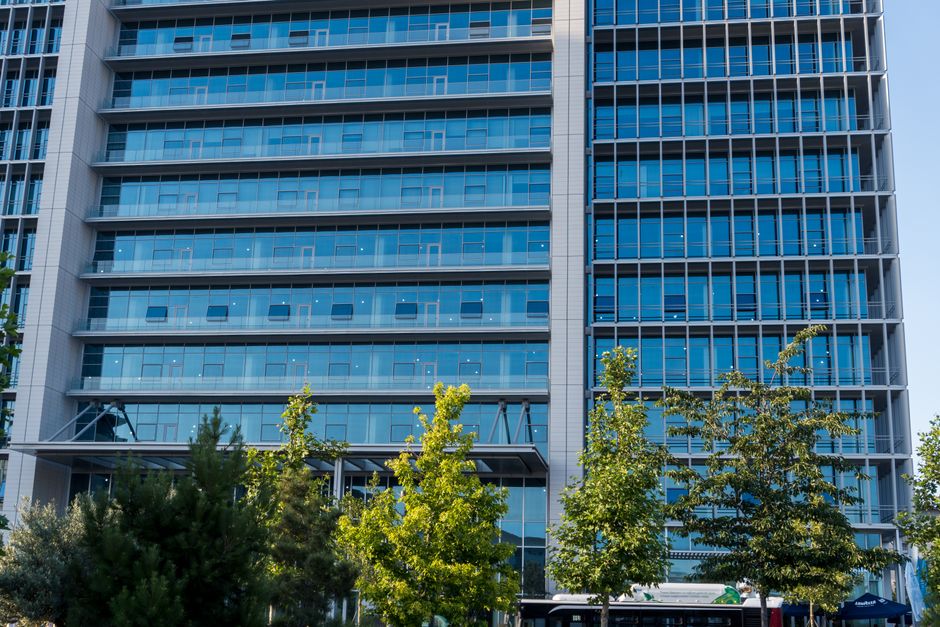
Current pricing trends, inventory levels, and investment insights across Manhattan, Brooklyn, Queens, and beyond — compiled by the Valthronix research team.
$1,187,400
Median Sale Price (NYC)
+4.2%
Year-over-Year Growth
58 Days
Avg. Days on Market
3.6 Months
Housing Inventory Supply
After a period of rate-driven adjustment, New York's core boroughs are showing renewed buyer confidence. Manhattan co-op and condo prices have stabilized near pre-pandemic highs, while Brooklyn continues to post the strongest year-over-year appreciation of any borough, driven by demand in Williamsburg, Park Slope, and Bushwick.
According to data aligned with the National Association of Realtors, national inventory shortages continue to support price resilience in dense urban markets like New York, even as mortgage rates remain elevated.

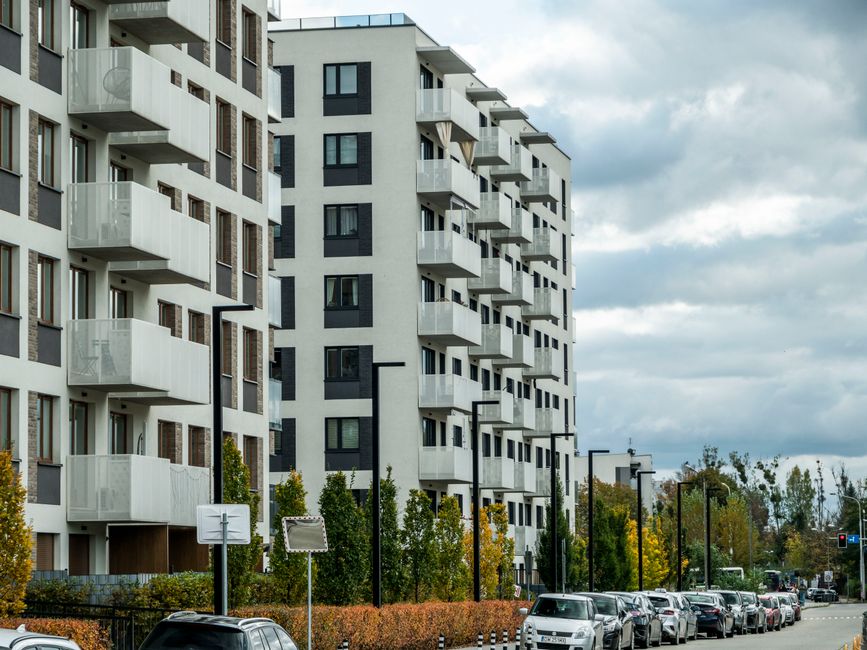
Buyers priced out of Manhattan and Brooklyn are increasingly turning to Queens and the Bronx, where median prices remain 30-45% lower while offering strong subway access and growing retail corridors. Astoria, Long Island City, and Riverdale are standout submarkets for both owner-occupants and investors seeking rental yield.
Rental demand across these boroughs remains robust, supported by continued population growth documented by the U.S. Census Bureau.
| Borough | Median Sale Price | YoY Change | Avg. Rent (2BR) |
|---|---|---|---|
| Manhattan | $1,795,000 | +2.8% | $5,450 |
| Brooklyn | $1,050,000 | +6.1% | $3,890 |
| Queens | $715,000 | +3.9% | $2,760 |
| The Bronx | $495,000 | +5.2% | $2,180 |
Figures reflect aggregated Valthronix internal data and public MLS records for 2026. Individual property values may vary — see current listings for specific pricing.
30-year fixed rates hovering near 6.7% continue to temper affordability, but seller concessions and rate buy-downs are increasingly common negotiation tools.
Cash purchases now represent nearly 28% of NYC transactions, with multifamily and mixed-use properties attracting the most institutional interest.
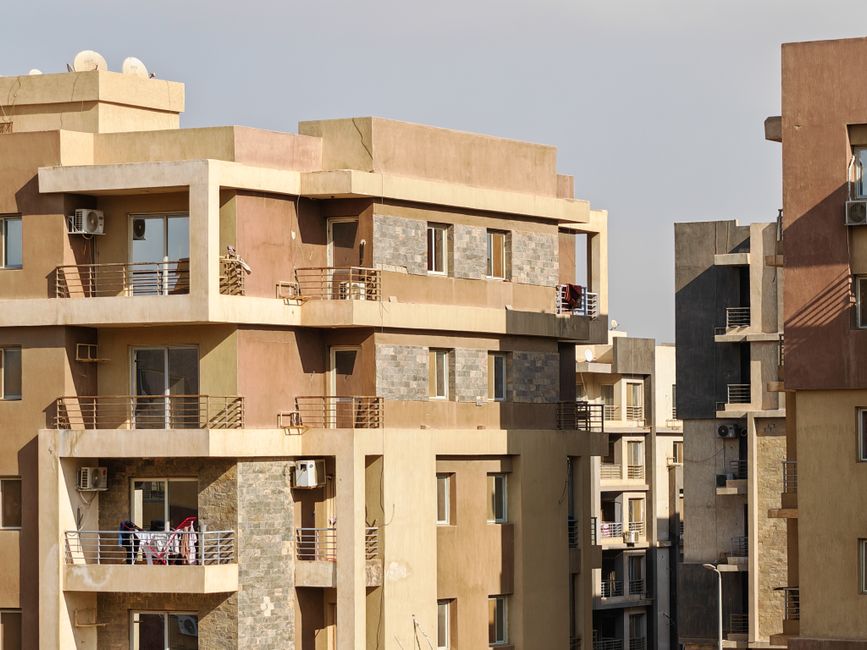
Outer-borough co-ops and condos under $600,000 remain the entry point of choice, often supported by NYC HPD down payment assistance programs.
Our research team anticipates moderate, sustainable price appreciation across most boroughs through the coming year, with rental yields remaining strongest in Queens and the Bronx. Limited new construction, particularly for condos under the expired 421-a tax program, is expected to keep resale inventory tight — a dynamic explored in detail by Brookings housing policy research.
For city-specific zoning and development data, the NYC Department of City Planning offers detailed neighborhood-level statistics that inform our long-term forecasting models.

Our agents can provide a tailored comparative market analysis (CMA) for your specific neighborhood, building type, or investment strategy — free of charge.